

.jpg)
.jpg)

.jpg)
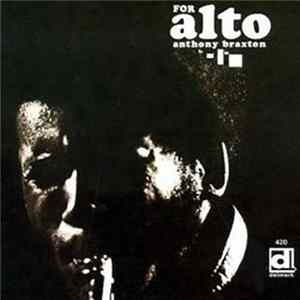
Anthony Braxton - For Alto Mp3
Tracklist
| 1 | Dedicated To Susan Axelrod |
| 2 | Dedicated To Multi-Instrumentalist Leroy Jenkins |
| 3 | Dedicated To Ann And Peter Allen |
| 4 | To My Friend Kenny McKenny |
| 5 | To Composer John Cage |
| 6 | To Artist Murray De Pillars |
| 7 | To Pianist Cecil Taylor |
| 8 | Dedicated To Multi-Instrumentalist Jack Gell |
Versions
| Category | Artist | Title (Format) | Label | Category | Country | Year |
|---|---|---|---|---|---|---|
| DS-420/421 | Anthony Braxton | For Alto (2xLP, Album, RP, Gat) | Delmark Records | DS-420/421 | US | Unknown |
| PA-7021~2 | Anthony Braxton | For Alto (2xLP, Album) | Delmark Records | PA-7021~2 | Japan | 1972 |
| DS-420/421 | Anthony Braxton | For Alto (2xLP, Album, RP) | Delmark Records | DS-420/421 | US | 1971 |
| DS-420/421 | Anthony Braxton | For Alto (2xLP, Album, RP) | Delmark Records | DS-420/421 | US | Unknown |
| DS-420 | Anthony Braxton | For Alto (LP, W/Lbl) | Not On Label | DS-420 | US | 1971 |
Credits
- Alto Saxophone – Anthony Braxton
- Design [Cover] – Zbigniew Jastrzebski
- Photography By [Cover] – Peter Blue
- Photography By [Liner Photo] – Terry Martin
- Producer [Album] – Robert G. Koester
- Recorded By, Supervised By – Anthony Braxton
Notes
Original gatefold 2xLP.
Video
-
-2005---part-i.jpg) Anthony Braxton - Sextet (Boston) 2005 - Part I
Anthony Braxton - Sextet (Boston) 2005 - Part I
-
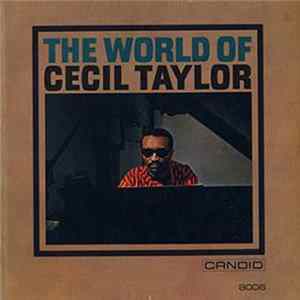 Cecil Taylor - The World Of Cecil Taylor
-
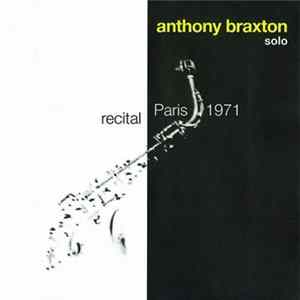 Anthony Braxton - Recital Paris 1971
-
.jpg) Unknown Artist - Le Multi Exerciseur K-Tel (Assouplissez-Vous En Musique)
Unknown Artist - Le Multi Exerciseur K-Tel (Assouplissez-Vous En Musique)
-
 Kplecraft - Multi-Boxer
-
 Vangelis / Claude Larson - Multi-Track Suggestion / 64k Ram
-
 Various - The 89 Multi-Mega-Mix
-
 McCoy Tyner / Pharoah Sanders / David Murray / Cecil McBee / Roy Haynes - A Tribute To John Coltrane / Blues For Coltrane
-
-1998---part-ii.jpg) Anthony Braxton - Three Orchestras (GTM) 1998 - Part II
Anthony Braxton - Three Orchestras (GTM) 1998 - Part II
-
 The George King Organ Sounds / The Joe Courney Multi-Organ Sound - Studio One 6
Rock music
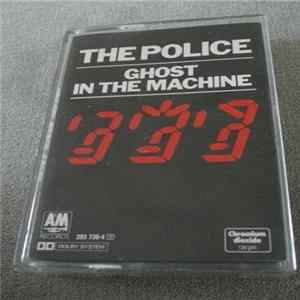
Rock / Pop
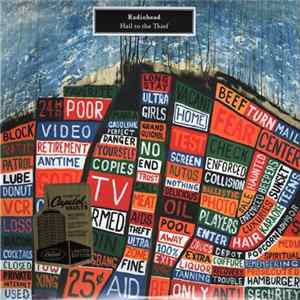
Electronic / Rock
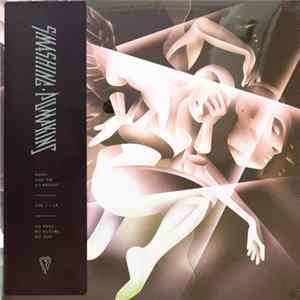
Rock
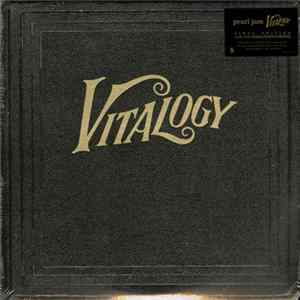
Rock
Rock
Rock
Rock
Electronic / Rock / Classical
Rock
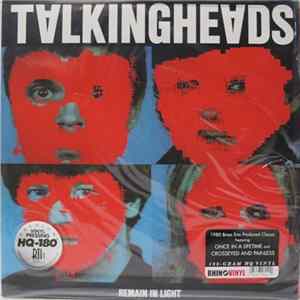
Rock / Pop
Pop music

Electronic / Pop
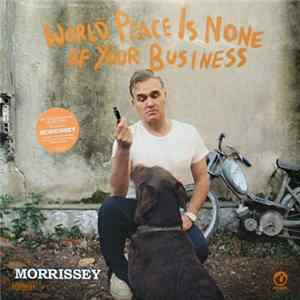
Rock / Pop
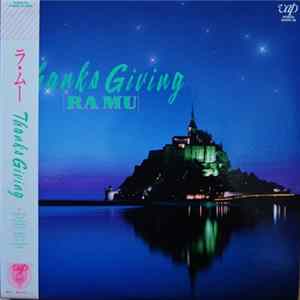
Electronic / Funk / Pop
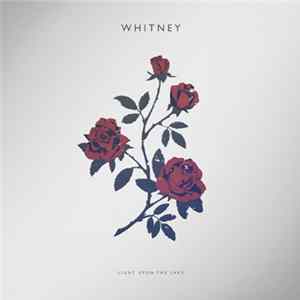
Rock / Funk / Pop
.jpg)
Rock / Pop / Stage & Screen
Jazz / Rock / Funk / Pop
Pop / Stage & Screen
Electronic / Pop
Electronic / Pop
Rock / Pop / Country & Folk