

.jpg)
.jpg)



.jpg)
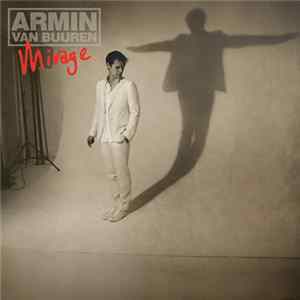
Gil Evans And His Orchestra - There Comes A Time Mp3
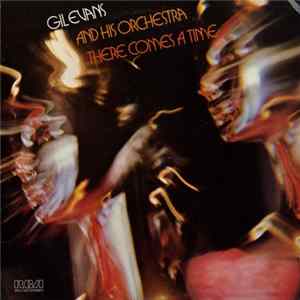
Tracklist
| 1 | There Comes A TimeWritten-By – Tony Williams | 16:10 |
| 2 | Aftermath The Fourth Movement Children Of The FireWritten-By – Hannibal Marvin Peterson | 5:45 |
| 3 | Little WingWritten-By – Jimi Hendrix | 5:03 |
| 4 | King Porter StompWritten-By – Ferd "Jelly Roll" Morton | 3:48 |
| 5 | Anita's DanceWritten-By – Gil Evans | 2:53 |
| 6 | Makes Her MoveWritten-By – Gil Evans | 1:25 |
| 7 | The Meaning Of The BluesWritten-By – Bobby Troup, Lee Worth | 5:51 |
Versions
| Category | Artist | Title (Format) | Label | Category | Country | Year |
|---|---|---|---|---|---|---|
| 5783-2-RB | Gil Evans | There Comes A Time (CD, Album, RE, RM) | RCA, Bluebird | 5783-2-RB | USA & Canada | 1987 |
| 74321313922 | Gil Evans And His Orchestra | There Comes A Time (CD, Album, RE) | BMG France, RCA | 74321313922 | France | 1995 |
| APL1-1057 | Gil Evans And His Orchestra | There Comes A Time (8-Trk) | RCA | APL1-1057 | US | 1976 |
| PL 11057 | Gil Evans And His Orchestra | There Comes A Time (LP, Album) | RCA | PL 11057 | UK | 1976 |
| RVP-6033, APL1-1057 | Gil Evans And His Orchestra | There Comes A Time (LP, Album) | RCA, RCA | RVP-6033, APL1-1057 | Japan | 1976 |
Credits
- Alto Saxophone, Soprano Saxophone, Flute – David Sanborn
- Art Direction – Dick Smith
- Baritone Saxophone, Bass Clarinet – Howard Johnson
- Celesta [Celeste], Timpani [Tympani], Congas, Cowbell – Sue Evans
- Drums – Tony Williams (tracks: A1, A3 to B4), Bruce Ditmas (tracks: A2)
- Electric Bass – Herb Bushler (tracks: A1, A3 to B4), Paul Metzke (tracks: A2)
- Electric Guitar – Ryo Kawasaki
- Engineer – Gus Mossler
- Engineer [Mixing] – Ray Hall
- French Horn – John Clark , Pete Levin, Peter Gordon
- Marimba, Chimes, Gong, Drum [Tuned], Vibraphone [Vibes] – Warren Smith
- Percussion, Tabla, Cuica – Bruce Ditmas
- Photography By [Cover] – David B. Hecht
- Photography By [Liner] – Allan Tannenbaum
- Piano, Electric Piano, Celesta [Celeste] – Gil Evans
- Producer [Associate] – Anita Evans, Teddy Randazzo
- Producer [Production, Direction] – Anita Evans, Gil Evans
- Steel Guitar, Drum Machine [Drum Synthesizer], Bells – Joe Gallivan
- Synthesizer – Paul Metzke
- Synthesizer, Organ – David Horowitz, Pete Levin
- Synthesizer, Piccolo Flute – Tom Malone
- Tenor Saxophone, Flute – Billy Harper, George Adams
- Trombone – Joe Daley, Tom Malone
- Trumpet, Flugelhorn – Ernie Royal, Lew Soloff
- Trumpet, Koto, Vocals – Hannibal Marvin Peterson
- Tuba – Bob Stewart (tracks: A1 to B1, B4), Howard Johnson , Joe Daley (tracks: B2, B3), Tom Malone
Notes
Recorded at RCA's Studio "B", New York City on March - June 1975.
Video
-
 Jelly Roll Morton - Giants Of Jazz: Jelly Roll Morton
-
.jpg) Mozart, The Pittsburgh Symphony Orchestra, William Steinberg - Symphony No. 41 In C Major, K.551 / Symphony No. 35 In D Major, K.385 ("Haffner")
Mozart, The Pittsburgh Symphony Orchestra, William Steinberg - Symphony No. 41 In C Major, K.551 / Symphony No. 35 In D Major, K.385 ("Haffner")
-
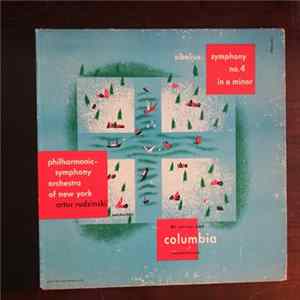 Artur Rodzinski, Philharmonic-Symphony Orchestra Of New York, Sibelius - Sibelius: Symphony No. 4 In A Minor
-
.jpg) The Gil Evans Orchestra - Little Wing (Live In Germany)
The Gil Evans Orchestra - Little Wing (Live In Germany)
-
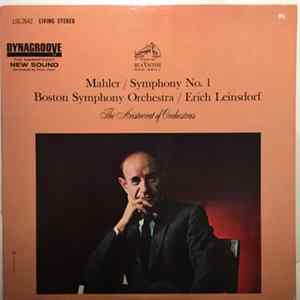 Mahler, Boston Symphony Orchestra, Erich Leinsdorf - Symphony No. 1
-
.jpg) Sir Thomas Beecham, Haydn, The Royal Philharmonic Orchestra - The Salomon Symphonies (Volume One)
Sir Thomas Beecham, Haydn, The Royal Philharmonic Orchestra - The Salomon Symphonies (Volume One)
-
 Bartók, Seiji Ozawa, The Chicago Symphony Orchestra - Concerto For Orchestra / Lutoslawski: Concerto For Orchestra
-
.jpg) Haydn, Sir Thomas Beecham - The Salomon Symphonies (Volume Two)
Haydn, Sir Thomas Beecham - The Salomon Symphonies (Volume Two)
-
 Hannibal Marvin Peterson, The Sunrise Orchestra - Children Of The Fire
-
 Bobby Bland - Jelly, Jelly, Jelly / Ain't That Loving You
Rock music
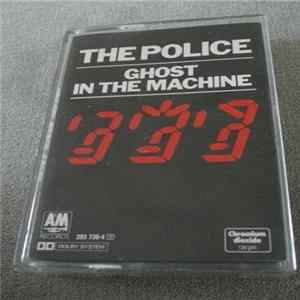
Rock / Pop
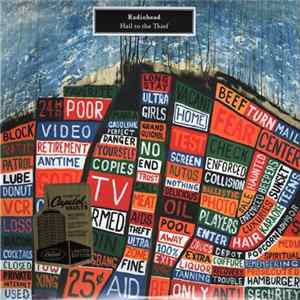
Electronic / Rock
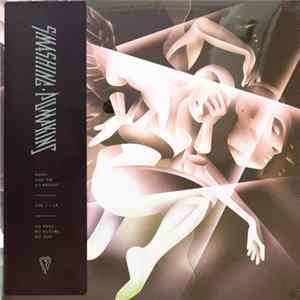
Rock
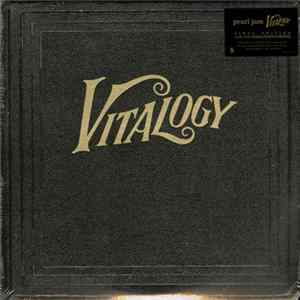
Rock

Rock
Rock

Rock
Electronic / Rock / Classical
Rock
Rock / Pop
Pop music

Electronic / Pop

Rock / Pop
Electronic / Funk / Pop
Rock / Funk / Pop
.jpg)
Rock / Pop / Stage & Screen
Jazz / Rock / Funk / Pop

Pop / Stage & Screen
Electronic / Pop

Electronic / Pop

Rock / Pop / Country & Folk